
We are an open source consultancy developing innovative projects & solutions.
Browsers and Client-side Web Technologies
Igalia has the most WebKit, WPE, Chromium/Blink and Firefox expertise found in the consulting business, including many reviewers and committers.

Introducing the Servo Collective
“If we can make the web platform more modular and easily reusable in both familiar and novel ways, and help build web-platform-grade libraries in underlying areas like networking, graphics, and typography, we could really change the Rust ecosystem. But doing those things well does take time and money, and we can only achieve Servo’s full potential with your help.”
The high performance WebKit port for embedded
WPE WebKit is being adopted in a wide range of industries, from cable operators to consumer electronic device manufacturers, with tens of millions of devices using it worldwide. Igalia can help you get the maximum performance out of your hardware by optimizing WPE WebKit for your needs.
15th Annual Web Engines Hackfest
Join us in A Coruña for three days of discussions, brainstorming sessions, and hands-on collaboration! Our call for talk and breakout proposals is now open.
GStreamer development
We have a strong multimedia team with many experienced GStreamer developers. GStreamer hosts many of our contributions to different layers of the stack from the kernel up to the end-user application.
Technologies, Industries & Services
Igalia offers in-depth knowledge across the software stack and a broad selection of cutting-edge industries.
Technologies
Igalia is a highly-specialized company developing innovative open source solutions for a large set of software and hardware platforms.

Igalia is a key contributor to each of the Web engines and often leads the development of many feature implementations. We are also the maintainers of WPE WebKit, the official WebKit port for embedded devices.

Igalia has a strong multimedia team with experience ranging from hardware acceleration to end-user applications for a wide variety of clients.

At Igalia, we are committed to making access to software and information possible for all users.

Igalia is the most experienced JavaScript Virtual Machine consultancy around, with upstream contributions to V8, JavaScriptCore, and Spidermonkey.

Igalia has a team specialized in hypervisors, system virtualization, and cloud technologies, and has actively contributed to both QEMU and Ceph.

Igalia has worked with Linux-based distributions since their inception and spent years working in the lower layers of the Linux stack with a strong focus in embedded technologies.

At Igalia we have been creating high-performance user interfaces and middleware for the past decade.

Igalia has been improving and optimizing the Linux kernel, by providing consultancy for companies in all kernel-related domains.
Industries
Igalia is a highly-specialized company developing innovative open source solutions for a large set of software and hardware platforms.
Services
Igalia is a highly-specialized company developing innovative open source solutions for a large set of software and hardware platforms.


Latest From Igalia
We love hearing from you, so be sure to follow us and join the conversation on our networks. If you want to know more about us, you can also meet the team here.
About Us
Igalia is a Free Software consultancy with headquarters in Spain and an extended network of collaborators from around the world. We are passionate about our work, active in our communities, eager to learn, and happy to contribute our knowledge. In short, we are inspired to make the world a better place through Free Software.
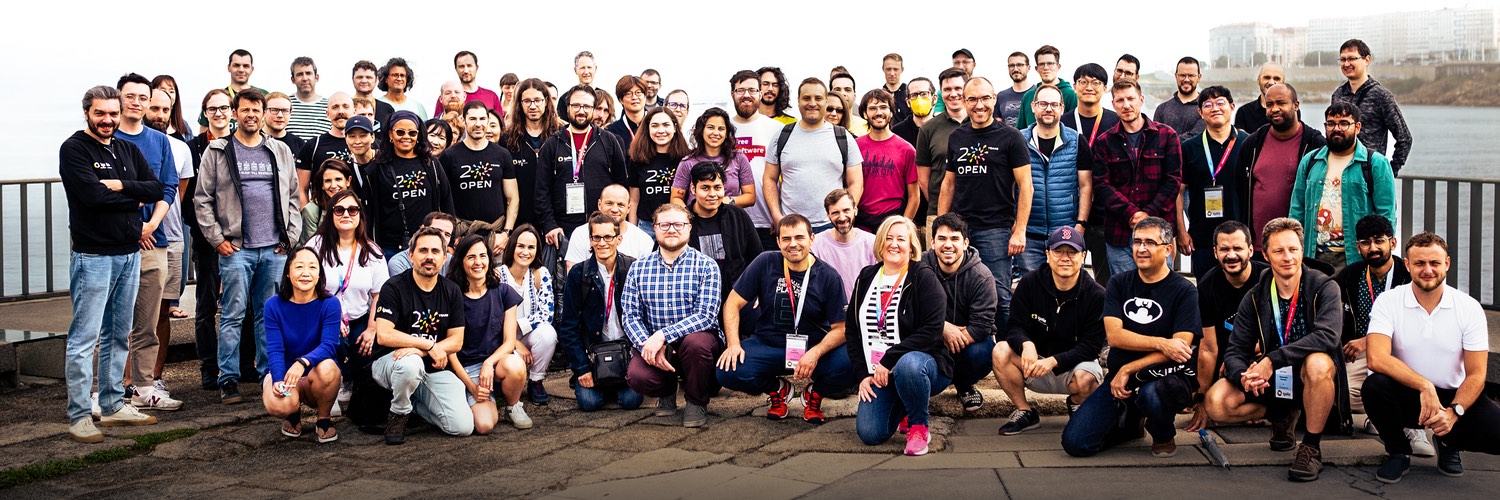
Igalia Community